
In the intricate tapestry of railway freight transportation, the Open Wagon series stands out as a crucial component, enabling the seamless movement of a vast array of goods across extensive rail networks. These wagons, with their distinct design and advanced technological features, have become the backbone of many freight operations globally.
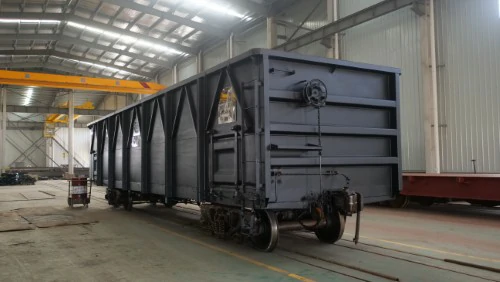
Structural Design: A Blend of Functionality and Durability
Open wagons are characterized by their open-top and high side and end walls, a design that sets them apart from flat wagons and covered goods wagons. This structure is meticulously engineered to facilitate the efficient loading and unloading of a wide range of cargo, from loose bulk materials to large, irregularly shaped items.
Robust Frame Construction
The frame of an open wagon is typically constructed from high-strength steel, ensuring durability and the ability to withstand heavy loads. For instance, in some models, the side and end walls are made of thick steel plates that are welded or bolted together to form a rigid structure. This not only provides strength but also offers protection to the cargo during transit, preventing spillage and damage. The use of advanced welding techniques and high-quality steel alloys enhances the structural integrity of the wagon, allowing it to endure the rigors of long-distance transportation and frequent use.
Innovative Loading and Unloading Features
To streamline the loading and unloading process, many open wagons are equipped with innovative features. Some models have hinged side doors or bottom discharge hatches. Hinged side doors can be easily opened to allow for the loading of large items or the dumping of bulk materials from the side. Bottom discharge hatches, on the other hand, are particularly useful for unloading free-flowing materials such as gravel, sand, or grain. These hatches can be controlled pneumatically or hydraulically, enabling precise and rapid unloading, reducing turnaround times at loading and unloading points.
Manufacturing Processes: Precision and Quality Assurance
The manufacturing of Open Wagon series involves a complex and highly regulated process to ensure that each wagon meets the strictest quality and safety standards.
Advanced Material Selection
Manufacturers carefully select materials based on the intended use of the wagon. High-grade carbon steel is commonly used for the frame and body due to its excellent strength and cost-effectiveness. In applications where corrosion resistance is crucial, such as in the transportation of certain chemicals or in coastal areas, stainless steel or corrosion-resistant alloys may be used. Additionally, modern manufacturing techniques allow for the use of lightweight yet strong composite materials in some non-structural components, reducing the overall weight of the wagon without sacrificing performance. This weight reduction can lead to increased fuel efficiency and lower operating costs.
Stringent Quality Control
Quality control is a cornerstone of the manufacturing process. Every stage, from the cutting and shaping of raw materials to the final assembly of the wagon, is subject to rigorous inspection. Manufacturers use advanced inspection tools and techniques, such as non-destructive testing methods like ultrasonic testing and X-ray inspection, to detect any potential defects in the welds, joints, or structural components. This ensures that each open wagon leaving the factory is free from flaws and is capable of providing reliable service over an extended period.